Skip to main content
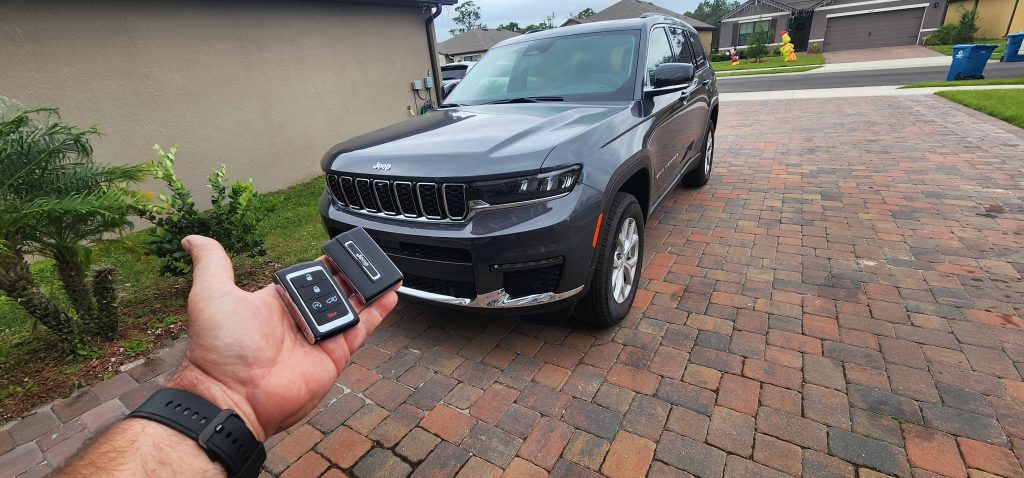
Having a spare car key isn’t something most people think about — until the moment they desperately need one. You’re standing outside your car with no way in, or your only key just snapped off in the ignition, or you handed your keys to your teenager and now nobody knows where they are.
A spare key is cheap insurance against an expensive emergency. Here’s why it matters, what it costs, and when to get one made.
The Math That Makes a Spare Key Worth It
Let’s do the simple comparison:
Getting a spare key made while you have a working key: $75–$175 depending on your vehicle, scheduled at your convenience, completed in 30 minutes.
Emergency replacement when all keys are lost: $200–$500+, done under stress, often at an inconvenient time and location, and may require additional security procedures that take longer.
That’s a 2x to 4x cost difference between a planned spare and an emergency replacement. And the emergency scenario always happens at the worst possible time — when you’re late for a flight at Melbourne Orlando International, when you’re stuck in a parking lot after dark, when it’s pouring rain at Cocoa Beach.
Getting a spare key made is the automotive equivalent of backing up your phone. You hope you’ll never need it, but when you do, you’ll be glad you spent the few minutes and few dollars to make it happen.
Who Needs a Spare Key?
Everyone with only one car key. This is the most urgent case. If you lose that one key or it fails, you’re immediately in the most expensive replacement scenario — all keys lost. This applies more often than people realize. Used cars frequently come with only one key. Keys get lost, damaged, or stolen. Over time, many households drift to having just one working key per vehicle.
Families sharing vehicles. If two or more people regularly drive the same car, each driver should have their own key. Passing a single key back and forth is asking for it to get lost in the handoff.
Anyone with a valet key situation. If you use valet parking, leave your car with a mechanic, or loan your vehicle to family members, having a spare means you always have a key in your possession.
People with push-button start vehicles. Smart key fobs are the most expensive to replace in an emergency. A spare fob for a push-button start vehicle is the single best investment you can make in automotive convenience.
Types of Spare Keys
The type of spare key you need depends on your vehicle:
Basic metal key (pre-1996 vehicles): A simple copy of the cut pattern. No electronics, no programming. These can be made at hardware stores, but a locksmith will ensure the cut is precise.
Transponder key (most vehicles 1996–present): A metal key blade with an embedded microchip. Requires both cutting and programming. Cannot be copied at a hardware store — the chip must be programmed to your specific vehicle.
Remote head key (key with built-in buttons): Combines the transponder key with lock/unlock buttons in the key head. Requires cutting, chip programming, and remote pairing.
Smart key / proximity fob (push-button start vehicles): No traditional key blade in most cases (though many have an emergency blade hidden inside). Requires electronic programming that pairs the fob’s rolling encryption code with the vehicle.
How Spare Key Creation Works
When a locksmith makes a spare key while you have a working original, the process is straightforward:
-
Key identification. The locksmith identifies your exact key type and the programming protocol your vehicle uses.
-
Key cutting. The new blank is cut to match your locks. This can be done by duplicating the existing key or by using the vehicle’s key code (retrieved from the VIN).
-
Programming. The locksmith connects programming equipment to your vehicle’s OBD-II port (the diagnostic connector usually under the dashboard). Using your existing working key as part of the process, the new key’s transponder is registered with the vehicle’s immobilizer.
-
Testing. Both the new key and the original are tested to confirm they start the vehicle and operate all locks. When programming a new key, most systems require all keys to be re-registered in the same session.
Total time: 20–45 minutes, done at your location.
Best Practices for Your Spare Key
Don’t keep it in the car. A spare key in the glove box or center console is useless when you’re locked out. And if the car is stolen, the thief now has a spare key too.
Store it in a consistent, accessible location. Home key hook, home safe, or with a trusted person who’s usually nearby. The key should be accessible when you need it, which means "in a box in the attic" isn’t ideal.
Test it periodically. Transponder chips can fail, and batteries in fobs die. Test your spare every few months to confirm it still starts the vehicle. There’s nothing worse than discovering your "backup plan" doesn’t work when you need it.
If you lend it out, get it back. Ex-spouses, former roommates, old friends — if someone has a copy of your car key and shouldn’t, get the key back or have the vehicle rekeyed.
Replace the spare’s fob battery annually. Even sitting in a drawer, fob batteries drain slowly. Swap it once a year at the same time you change your smoke detector batteries.
Spare Key Services in Brevard County
Key-En-Lock makes spare car keys for all major makes and models. We come to your home, office, or wherever your vehicle is located in Melbourne, Palm Bay, Cocoa Beach, Titusville, or anywhere in Brevard County.
If you’re down to one key, don’t wait for the emergency — call (321) 224-5625 and get a spare made while it’s easy and affordable. Most spare keys are completed in under 30 minutes at your location.
Serving Brevard County
Need a local locksmith? We serve nearby areas including:
- locksmith in Locksmith South Patrick Shores
- Locksmith Melbourne Village locksmith
- Locksmith Cocoa FL locksmith
- Locksmith Melbourne Beach FL locksmith
- Locksmith Viera FL locksmith
- Locksmith Palm Bay locksmith
See all locations: Service Areas or call (321) 224-5625.