Skip to main content
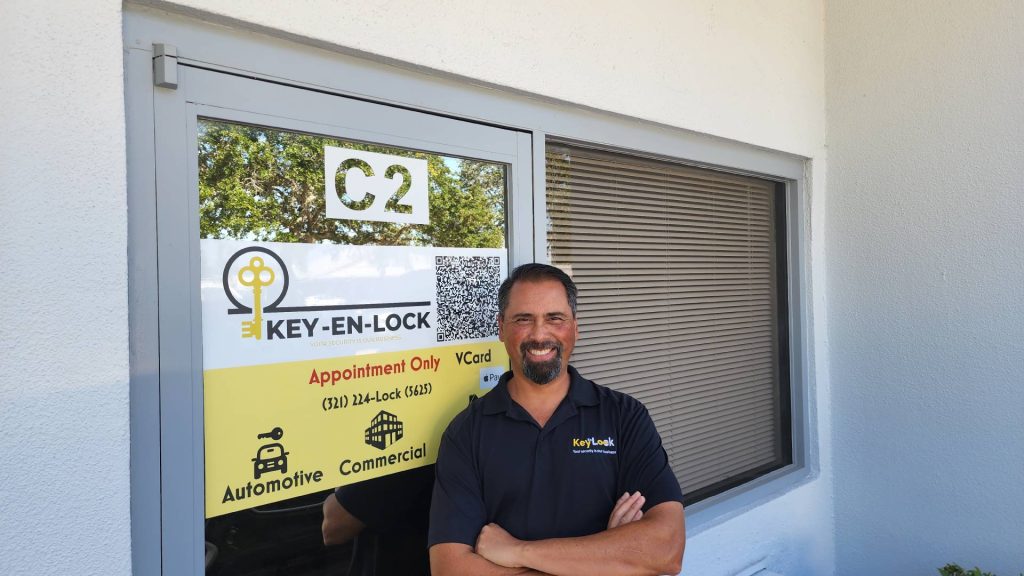
As the New Year dawns, many people take this time to reevaluate the security measures they have in place to safeguard their homes. This period of freshness and resolutions is perfect for taking a hard look at one of the most important security assets in your home — your safe.
Whether you keep important documents, cash, jewelry, firearms, or irreplaceable family heirlooms in your safe, the start of a new year is the ideal time to make sure everything is in order. Here’s how to keep your safe secure heading into 2026.
Check Your Safe’s Lock Mechanism
Safe locks, like any mechanical device, need periodic attention. If you have a dial combination lock, test it by running through the full combination sequence. The dial should turn smoothly without any grinding, sticking, or loose play. If the dial feels different than it used to — harder to turn, mushy in certain spots, or making new noises — the internal mechanism may be wearing and should be serviced before it fails completely.
For electronic keypad locks, test the keypad by entering your combination. All buttons should respond with a consistent click or beep. Check the battery level — most electronic safe locks use a 9-volt battery, and a low battery warning (usually rapid beeping or a flashing light) means replacement is overdue. Replace safe batteries at the start of every year as a habit, even if they’re still working. A dead battery at the wrong moment means you’re locked out of your own safe.
If you have a key-operated safe lock, inspect the key for wear. Safe keys are precision-cut and even minor wear can prevent them from engaging the lock properly. If you notice the key is getting harder to turn, have a spare made from the original before the key wears past the point of reliable use.
Update Your Combination
The New Year is a natural time to change your safe’s combination. If your combination has been the same for years, or if anyone who shouldn’t have access might know it, now is the time.
For dial combination locks, changing the combination requires a locksmith with safe expertise. The lock’s change key must be used while the safe is open, and the new combination needs to be set precisely to ensure reliable operation.
For electronic keypads, combination changes are usually straightforward — most allow you to enter a master code and then set a new user code. Check your safe’s manual for the specific procedure, and make sure to test the new combination several times with the door open before closing and relocking.
Important: Write your new combination down and store it in a secure location that is NOT inside the safe. A sealed envelope in a bank safe deposit box, with a trusted family member, or in a fireproof document bag at another location are all good options.
Inspect the Safe’s Physical Condition
Take a few minutes to physically inspect your safe:
Door alignment — Open and close the safe door several times. It should swing freely without scraping, binding, or requiring excessive force. If the door has shifted, the bolt work may not engage properly, compromising security.
Bolt work — With the door open, operate the handle to extend and retract the locking bolts. They should move smoothly and extend fully. Partial bolt extension means the safe isn’t fully securing when locked.
Hinges — Check for rust, corrosion, or looseness. Florida’s humidity is tough on metal components, and safe hinges that have developed rust should be cleaned and lubricated.
Seals and gaskets — Fire-rated safes have gaskets around the door that expand when exposed to heat. Inspect these seals for cracking, peeling, or deterioration. Damaged seals can compromise your safe’s fire rating.
Anchor bolts — If your safe is bolted to the floor (and it should be), check that the bolts are still tight. Settlement in Florida’s sandy soil can gradually loosen floor anchors over time.
Organize Your Safe’s Contents
The New Year is a great time to inventory what’s in your safe and make sure everything still belongs there:
Remove expired documents. Old insurance policies, outdated wills, expired passports, and other documents that have been superseded should be removed and properly shredded. Keeping unnecessary items in your safe makes it harder to find what you actually need in an emergency.
Verify important documents are current. Check that your will, insurance policies, property deeds, and other critical documents reflect your current situation. If anything has changed, update the documents and replace the old versions.
Check stored cash. If you keep emergency cash in your safe, make sure the bills are in good condition and the amount is what you expect.
Inspect stored valuables. Jewelry, watches, coins, and other valuables should be checked for any damage or deterioration. Florida’s humidity can tarnish silver and affect certain materials even inside a safe.
Fireproof vs. Burglar-Rated: Know What You Have
Many homeowners don’t actually know what level of protection their safe provides. There’s an important distinction between fire safes and burglar safes:
Fire safes (like most home safes from big-box stores) are designed primarily to protect paper documents from heat. They typically have thin steel walls with fire-resistant insulation. They offer minimal burglary protection — a determined thief with basic tools can open most residential fire safes in minutes.
Burglar-rated safes (TL-15, TL-30, etc.) are built with thick steel or composite walls designed to resist attack by tools. These offer serious protection against forced entry but may or may not have fire ratings.
Composite safes offer both fire and burglary protection. These are the gold standard for home safes but come at a higher price point.
If you’re unsure what you have, check the safe’s door for a UL (Underwriters Laboratories) label. This will tell you the safe’s ratings. If your safe doesn’t have a UL label, it may not meet any tested standards.
Consider an Upgrade
If your New Year security review reveals that your current safe isn’t meeting your needs — too small, wrong type of protection, unreliable lock, or difficult to access — this is a good time to plan an upgrade.
Modern safes offer features that older models don’t: biometric locks, multiple user codes, audit trails that record when the safe was opened, automatic relocking mechanisms, and better fire ratings.
Key-En-Lock can help you select the right safe for your needs, deliver and install it (including floor anchoring), transfer your contents, and dispose of your old safe if needed.
Key-En-Lock: Safe Services Across Brevard County
At Key-En-Lock, safes are one of our specialties. We service, repair, open, and install safes of all types and sizes across Melbourne, Palm Bay, and all of Brevard County.
Our safe services include:
- Combination changes for dial and electronic locks
- Lock repair and replacement for all safe lock types
- Safe opening when you’re locked out
- Battery replacement and electronic lock maintenance
- Safe delivery, installation, and anchoring
- Fire and burglary safe sales
Ready to secure your safe for the New Year? Call Key-En-Lock at (321) 224-5625.