Skip to main content
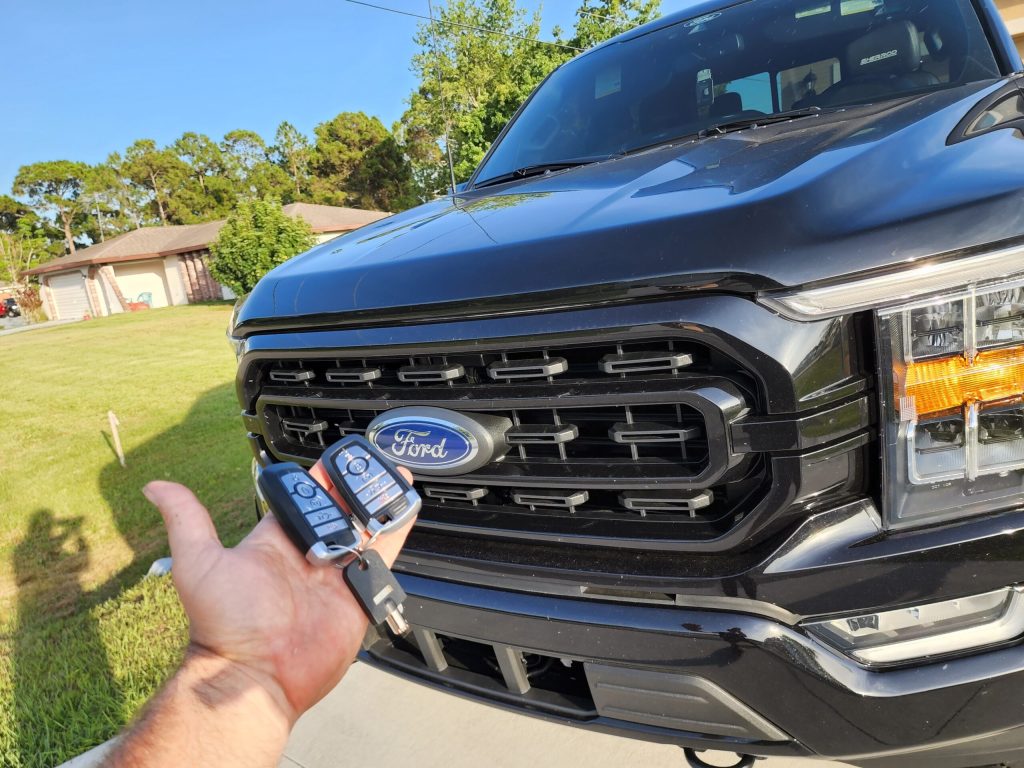
When a car lock jams, your first instinct is usually to force it. Wiggle the key harder, push the button repeatedly, or try to muscle the door open. This almost always makes things worse. A jammed car lock in Melbourne, FL has specific causes — many related to our local climate — and specific solutions that don’t involve breaking anything.
Why Car Locks Jam
Car door locks are mechanical devices with small moving parts that need to operate smoothly every time. When something disrupts that operation, the lock jams. Here are the most common causes:
Worn Key Blade
Over time, the ridges on a metal key blade wear down from daily use. The key that worked perfectly three years ago may now be just different enough that it catches on the internal pins instead of sliding past them. You might notice the key feeling "sticky" for weeks before it actually jams. This gradual wear is one of the most common causes of lock failures.
Debris Inside the Lock Cylinder
Melbourne’s environment introduces particles into lock mechanisms constantly. Sand from the beach, road dust, pollen, and even salt air residue work their way into the keyway over time. Each time you insert the key, you push these particles deeper into the lock. Eventually, enough debris accumulates to prevent the pins from moving freely.
Heat Damage to Internal Components
Florida summers put significant stress on car lock components. Dashboard temperatures inside a parked car regularly exceed 150°F in Melbourne. This heat radiates through the door panels and affects:
- Lubricant inside the lock, which dries out or becomes gummy
- Plastic and nylon components that warp slightly
- Spring tension on the wafer or pin tumblers
- The lock actuator motor in power locks
Corrosion
Melbourne’s coastal proximity means salt-laden humidity is constantly working on metal components. The lock cylinder, pins, and internal springs are all susceptible to corrosion, especially if the vehicle is regularly exposed to ocean air near the beaches along A1A.
Failed Lock Actuator
Modern cars use electric actuators to lock and unlock doors when you press the fob button or the interior switch. When an actuator motor fails or its linkage breaks, the power lock stops responding. The manual lock (key or interior button) might still work, but if both systems share the same mechanism, everything can jam up.
Frozen Mechanism (Yes, Even in Florida)
While rare, Melbourne does experience occasional cold snaps in January and February. If moisture gets inside the lock mechanism and temperatures drop below freezing overnight, the internal components can ice up temporarily.
What NOT to Do When Your Car Lock Jams
Before discussing solutions, here’s what to avoid:
- Don’t force the key. Excessive turning pressure can snap the key off inside the lock, creating a much more expensive problem.
- Don’t use WD-40. Despite popular belief, WD-40 is a water displacer, not a lubricant. It may provide temporary relief but attracts dust and dirt, making the problem worse over time.
- Don’t try to pick the lock yourself. Without training and proper tools, you’re more likely to damage the lock wafers than open the door.
- Don’t slam the door. If the latch is jammed, forcing the door can damage the striker plate, door frame, or the latch mechanism itself.
- Don’t use a coat hanger or slim jim. Modern cars have anti-theft barriers inside the door panels specifically designed to prevent these tools from working. Using them usually bends the linkage rods or damages weather stripping.
How to Handle a Jammed Car Lock
If the Key Won’t Turn
- Try the passenger door. If only one lock is jammed, you can enter through another door and address the problem from inside.
- Check the key. Compare it to your spare (if you have one). If the ridges look worn or rounded, the key itself is likely the issue.
- Apply graphite lubricant. A dry graphite spray (not oil-based) can free up stuck pins. Insert the straw tip into the keyway, give one or two short sprays, then gently work the key in and out.
- Warm the key slightly. If it’s a cold morning, warming the key blade with your hands or breath can help if ice is the issue.
If the Power Lock Won’t Respond
- Replace the fob battery. This is the single most common fix. If the fob buttons don’t produce the usual LED flash, the battery is dead.
- Try the physical key. Most fobs have a hidden key blade that slides out. Your car’s door handle likely has a keyhole hidden under a cap.
- Check the fuse. The power lock system runs on its own fuse. Your owner’s manual shows the fuse box location and which fuse controls the locks.
If the Door Won’t Open Despite Unlocking
The door latch mechanism may be jammed independently of the lock. This often happens when:
- The latch is stuck in the closed position
- A broken cable connects the handle to the latch
- The striker plate has shifted (common after minor accidents)
In this case, you need a locksmith or mechanic who can access the latch mechanism through the door panel.
When to Call a Locksmith
Call a professional when:
- The key is stuck in the lock and won’t come out
- The key has broken off inside the lock
- No doors will open despite the lock appearing to function
- Power locks stopped working on multiple doors simultaneously
- You need the lock cylinder replaced due to wear or damage
- The jammed lock is leaving you stranded
A mobile automotive locksmith can come to your location, diagnose the issue, and either repair the existing lock or replace the cylinder on-site. Most jammed lock repairs take 15–45 minutes.
Preventing Future Jams
- Lubricate your locks twice a year with dry graphite or PTFE spray — once before summer and once before the brief cold season
- Get spare keys made from the original before your daily-use key wears down too far
- Keep locks clean by occasionally blowing compressed air into the keyway
- Address sticky locks early — they only get worse
Car Lock Repair in Melbourne, FL
Key-En-Lock provides mobile car lock repair throughout Brevard County. Whether your lock is jammed from wear, debris, heat damage, or a failed actuator, we diagnose and fix the problem at your location. Call (321) 224-5625 for fast automotive lock service.