Skip to main content
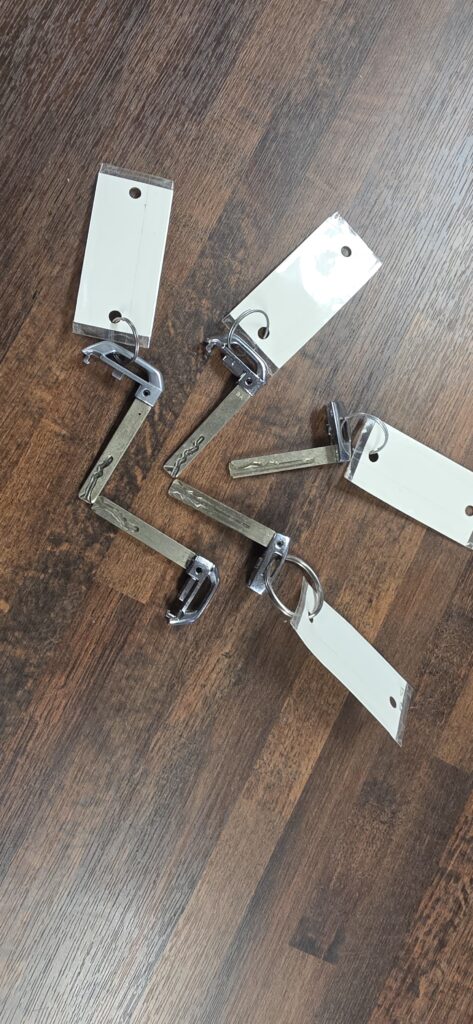
If you drive a newer car with push-button start, take a look at your key fob. Somewhere on that fob — usually on the back or along the side — there’s a small release button or slider. Press it, pull, and a thin metal key blade slides right out.
That’s your insert key, also called an emergency key blade, and most people have no idea it exists until the day they desperately need it.
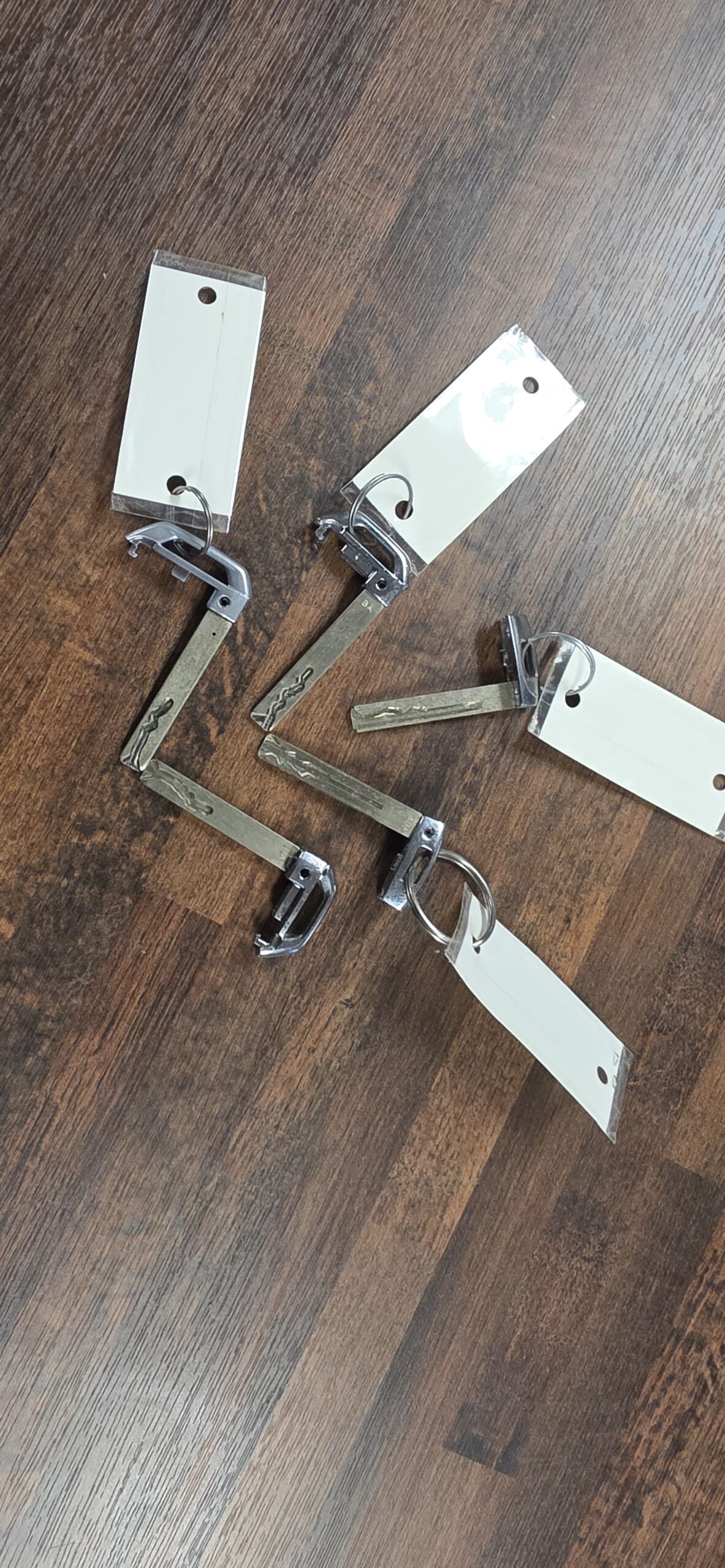
What Is an Insert Key?
An insert key is a small, flat metal key that’s hidden inside your proximity key fob. It’s not the same as a traditional car key — it’s thinner, smaller, and has a very specific purpose. Every vehicle with a smart key or proximity fob has one tucked inside.
Think of it as your car’s emergency backup plan. The fob handles everything electronically — locking, unlocking, starting the engine — but the insert key is there for the moments when electronics fail you.
What Does the Insert Key Actually Do?
Here’s the important part that confuses a lot of people: the insert key does not start your car. It’s not designed to. On a push-button start vehicle, the engine is started through an electronic handshake between the fob and the car’s immobilizer system. The insert key has nothing to do with that process.
The insert key has one job — to physically unlock your driver’s door. That’s it. It gives you manual access to get inside the vehicle when the electronic functions of your fob aren’t working.
This comes into play in two common scenarios:
Your fob battery dies. When the battery in your key fob goes dead, the remote lock and unlock buttons stop working. You’re standing next to your car pressing the button and nothing happens. The insert key lets you manually unlock the door and get inside. Once you’re in, you can still start most vehicles by holding the dead fob directly against the start button or a designated spot on the steering column — the car can read the fob’s passive transponder at very close range even without battery power.
Your car battery dies. If your vehicle’s battery is dead, the electronic door locks won’t respond to your fob either. The car has no power to receive the fob’s signal. The insert key lets you unlock the door manually so you can pop the hood and access the battery to jump-start the vehicle. Without that insert key, you’d have no way to get inside the car to begin the jump-start process.
Where Is the Key Slot on Your Car?
This is where it gets tricky, and where a lot of people get stuck even after they’ve found the insert key inside their fob. On most newer vehicles, the key slot on the driver’s door is hidden under a cover. Manufacturers design the door handles to look clean and seamless, so they tuck the physical keyhole behind a small cap or cover piece on or near the door handle.
The location varies by make and model, but here are some common spots to look:
On many Kia and Hyundai models, there’s a small plastic cap on the underside or back edge of the driver’s door handle. Pop it off with the tip of the insert key itself and the keyhole is right underneath.
On Volkswagen models, the cover is often on the end of the door handle. You may need to pry it off gently to expose the cylinder.
On Ford, Toyota, Nissan, Honda, and many other brands, the keyhole cover could be on the front face of the handle, the bottom edge, or integrated into the handle’s design in a way that blends in completely.
If you’re not sure where yours is, take five minutes right now and find it before you actually need it. Check your owner’s manual or just inspect the driver’s door handle closely — look for any small piece that seems like it could pop off or slide open. That’s your hidden keyhole.
Why You Need to Know This Before an Emergency
Imagine it’s late at night, your fob battery just died, and you’re standing in a parking lot trying to figure out how to get into your own car. You don’t know the insert key exists. Even if you do, you’ve never looked for the hidden keyhole. Now you’re in the dark, frustrated, and potentially calling a locksmith or roadside assistance for something you could have handled yourself in 30 seconds.
Knowing where your insert key is and where the door keyhole is hidden on your specific vehicle is one of those small pieces of knowledge that can save you real time, money, and stress.
A Few Tips to Keep in Mind
Replace your fob battery before it dies completely. Most key fobs will give you a warning — the range gets shorter, or the car displays a low key battery message on the dashboard. Don’t ignore it. A replacement battery costs a few dollars and takes a minute to swap.
Practice removing the insert key from your fob at least once so you know how the release mechanism works. Some have a small button on the back, others have a sliding latch. It’s different on every fob.
Locate the hidden keyhole now while you’re calm, in daylight, and not in a rush. Once you know where it is, you’ll remember.
The insert key only unlocks the driver’s door. It won’t unlock any other doors or the trunk. It’s strictly an emergency access tool for the driver’s side.
Need Help With Your Key Fob?
If your fob battery has died, your insert key is missing or broken, or you just need a spare key made for your vehicle, Key-En-Lock can help. We’re a mobile locksmith service covering Melbourne, Palm Bay, and all of Brevard County. We handle key fob batteries, replacement fobs, insert key cutting, and full key programming — all on location at your convenience.
Call Key-En-Lock at (321) 224-5625 or request service online any time you need key fob help.
Serving Brevard County
Need a local locksmith? We serve nearby areas including:
- Locksmith Melbourne Village FL locksmith
- locksmith in Locksmith Cape Canaveral
- Locksmith Melbourne Beach locksmith
- locksmith in Locksmith Titusville
- Locksmith Rockledge locksmith
- emergency locksmith Locksmith Malabar
See all locations: Service Areas or call (321) 224-5625.